Wednesday, November 5, 2014

Orchestrating new approaches to advance pain management practices

 Image source: Bluevalleysurgical.com

Pain management centers don’t have uniform approaches to patient care, even though they are all following the same industry protocol. Some can be lightyears from the current standards in terms of technology and clinical practices while others remain pinned to a problematic blueprint and are hardup in attaining any form or degree of advancement.

 Image source: Ummchealth.com

Institutions such as Dr. Michael Steuer’s MidSouth Pain Management Center have come a long way to offer the most sophisticated in pain management services. Practices of such caliber develop and provide top-of-the-line care that is crucial in helping the industry evolve for the better. Other centers lag behind in patient satisfaction, not necessarily because of low-technology equipment but to the scarcity of professional rendition.

Improvements in clinical practices should start with the treatments. The use of obsolete technologies and damaging drugs should be halted completely. Patients’ life and welfare should receive utmost consideration. From this care philosophy, the quest for better professional service must find traction. This task covers practices stationed in rural communities where healthcare is reported to be below-par, lackadaisical, and resource-deficient.

Image source: Benin2009.com

High-quality clinical practices are not entirely the work of hospital directors, doctors, nurses, and other practitioners. Patients, too, play a key role in alleviating their situations. They are obliged to religiously follow their physicians’ prescriptions toward their medication, treatment, and even recovery therapy to help them regain routine. Cooperation between patients and doctors is crucial toward attaining success for practically every condition.  

For more information on pain management, visit this website.

Monday, September 29, 2014

Dispelling common myths about sciatica

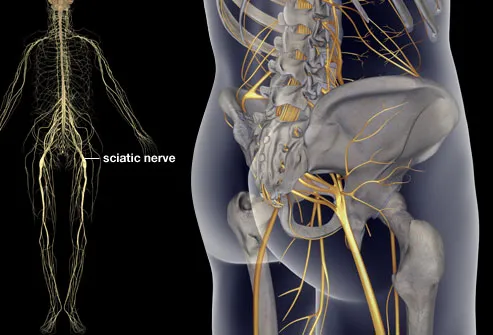
Millions of working adults suffer from pain in the lower back due to prolonged sitting or carrying heavy loads. However, if the pain reaches their buttock up to the leg, the sciatic nerve, the longest nerve in the body, could already be inflamed, producing a type of pain called sciatica.

Image Source: webmd.com

Because many people don’t really understand what sciatica is even though they are experiencing it, there have been several misconceptions about it. The following are some of the most common:  

Sciatica is an illness.  Many people mistake sciatica as a medical condition, but it is actually a set of symptoms, such as pain from the lower back up to the leg or foot and a tingling sensation in those areas.  
 
Image Source: columbianeurosurgery.com

A herniated disc is the cause of sciatica.  Though this can be true, it is not the only cause. According to Mayo Clinic, in rare situations, sciatica can be caused by a damaged nerve or a nerve compressed by a tumor.  

Physical activities should be avoided when one has sciatica.  Bed rest is recommended for the first couple of days, but lack of physical activity for a long time actually worsens the pain. Stretching exercises help strengthen the back muscles and prevent the occurrence of sciatica.  

Localized leg pain isn’t sciatica.   Though this is rare, leg pain without back pain can still be sciatica. It is advisable to get checked if one has leg pain that doesn’t go away, as this could be originating from the lower back instead.

Image Source: webmd.com
There are still a lot of myths surrounding sciatica that people need to know about in order to seek the right treatment and take the right steps in preventing the recurrence of this type of pain.  

Dr. Michael Steuer of MidSouth Pain Treatment Center is a board-certified educator and author of several works in pain management. Follow this Twitter account for more information on this field of medicine.

Monday, September 1, 2014

The procedure for bursal injections and how they mitigate pain from bursitis

Bursae are small, fluid-filled sacs located between any two muscles, bones, skin, and tendons, allowing these structures to slide against each other, and cushioning points of contact from the impact of friction. There are over 150 bursae in the human body, each enabling smooth joint operation and the full range of natural physical movement.

Image Source: en.wikipedia.org
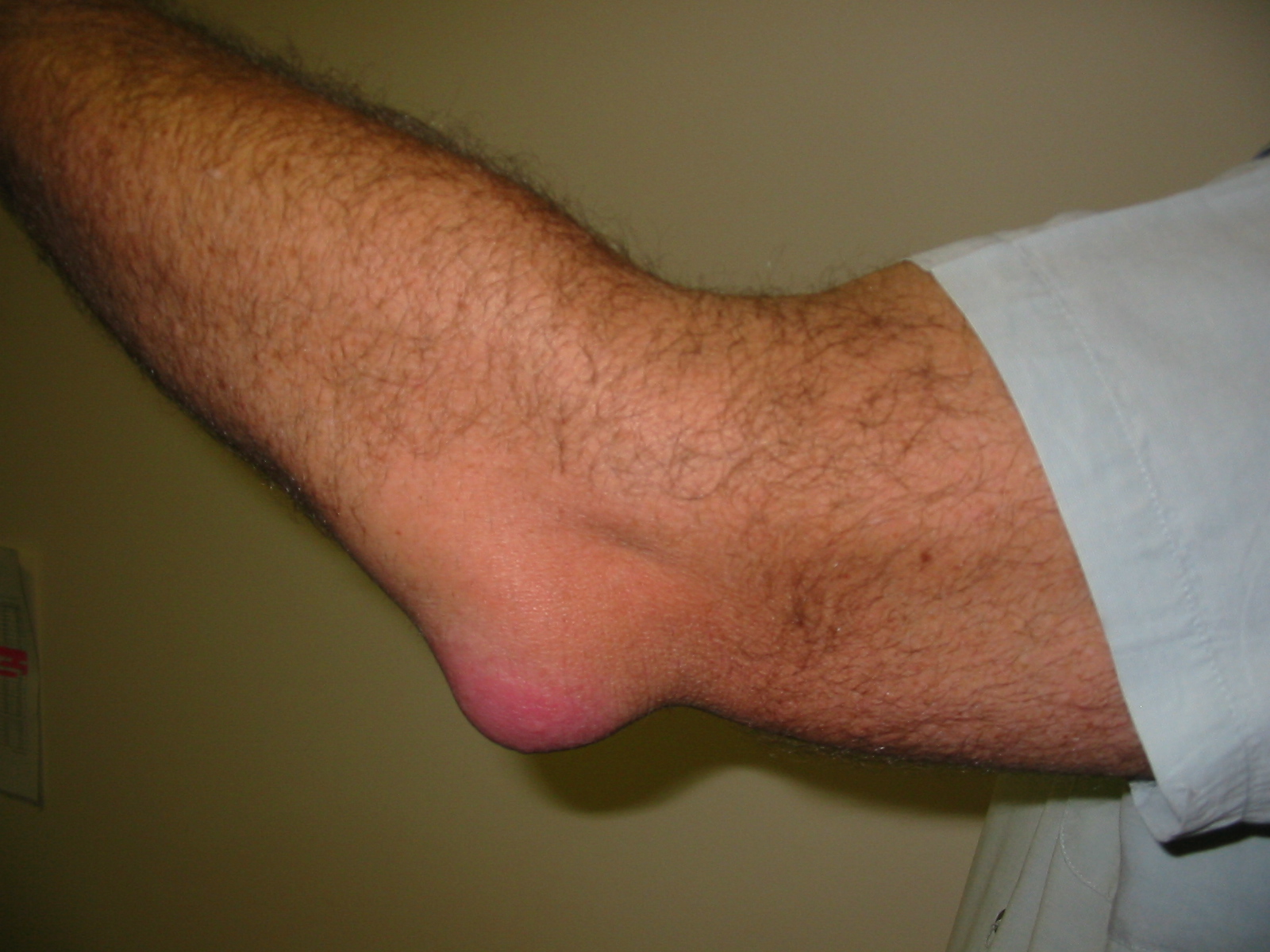
When a joint is overused, sustains prolonged repetitive stress, or experiences sudden but intense injury, a nearby bursa can swell and fill up with excess fluid. This condition is called bursitis, and is marked by tenderness in the area where the bursa is swollen, and a severe, often unbearable pain even at rest.

Bursitis usually occurs at the shoulders, hips, elbows, and knees. When left undiagnosed and untreated, it can cause debilitating pain and discomfort, reduced movement, decreased performance at work, and fitful, erratic sleep.


Image Source: riversideonline.com
Bursal injections of local anesthetic and a corticosteroid into the inflamed bursa reduce the inflammation and pain symptoms. Through ultrasound imaging, the specific coordinates of the offending bursa is located, and a fine needle is passed into the point where tissue is most tender.

Many experience redness or flushing of the face or even the rest of the body as a reaction to the absorption of the injected corticosteroid. This is normal and harmless, and lasts a few days before fading.

Image Source: mulla.pri.ee
It takes anywhere from 24 hours to three days for a bursal injection to take effect. When the corticosteroid sets in, however, the resulting reduced swelling and pain relief lasts from a few weeks to up to several months.  

Dr. Michael Steuer at MidSouth Pain Treatment Center helps individuals overcome bursitis to lead productive, fulfilling lives. Learn more about Dr. Steuer or his clinic by visting this website.

Saturday, August 16, 2014

Making life without chronic pain possible

Be it an ancillary product of a debilitating injury or caused by a chronic illness that can only be treated gradually, pain is often an agonizing aspect of life. For many people, pain is a part of recovery, while for others it is an everyday occurrence emerging from a lifetime of stress or the lingering byproduct of a previous injury that has since been treated.

Image Source: terapiasmedicasavanzadas.com

A life dominated by chronic or recurring pain seems inevitable, particularly for elderly people who have survived life-threatening injuries or diseases. Chronic pain is not just a very unpleasant part of life. Pain, even from otherwise nonfatal conditions, can limit a person’s range of motion, restrict their activities, and prevent them from enjoying life to the fullest. In extreme cases, the sheer intensity of the pain can disable them altogether.

Image Source: traversecitychiropractor.com

Moreover, chronic pain, particularly that which emerges as a complication of previous injuries or conditions, would often linger despite interventions for pain relief such as painkillers. In these cases, specialist help is needed.

Image Source: rehabpaincenter.com

Pain management authorities like Dr. Michael Steuer argue that life without chronic pain is possible. With the right treatment conducted by a specialist doctor, coupled with healthful lifestyle changes, chronic pain can be kept at bay or even eliminated altogether, vastly improving quality of life.  

A trusted authority in pain management, Dr. Michael Steuer believes that nobody should ever have to live with chronic pain. Learn more about his views on pain management and more on the MidSouth Pain Treatment Center website.